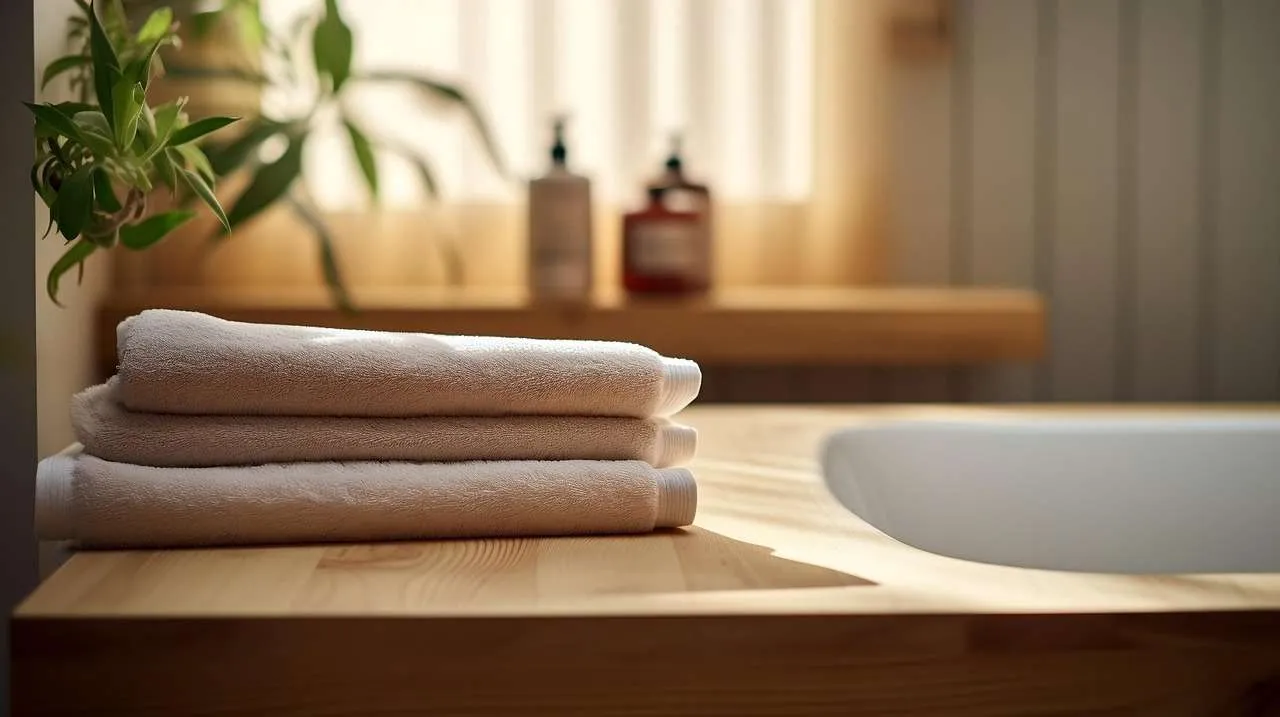
Small bathroom ideas are about turning constraints into opportunities. With a decade of experience designing compact baths, thoughtful planning and smart finishes can transform a tiny room into a calm, functional space.
Layout and zoning
In a small bathroom every inch counts. Start with a practical floor plan: place the shower or tub along the longest wall, tuck the toilet behind a partial wall if possible, and install a compact vanity near the entry to preserve sightlines. For tight spaces, consider a pocket door or a frosted sliding door to reclaim swing space and open the room.
Shower and tub options
Walk-in showers with a clear glass panel visually expand the room. If a tub is needed, choose a compact alcove tub or a tub-to-shower conversion with a frameless door to maintain openness.
Lighting and sightlines
Bright, layered lighting prevents a cramped feel. Use a combination of ambient ceiling light, task lighting around the mirror, and natural light if available. Keep wall colors light to extend sightlines and reflect light.
Colors, finishes, and materials
Light neutrals with a touch of soft contrast work well in small baths. Use large-format, light-colored porcelain or ceramic tiles with minimal grout for a seamless look. Reflective surfaces like mirrors, polished chrome hardware, and glass accents amplify brightness.
Vanities and storage
Floating vanities create the illusion of more floor space and make cleaning easier. Choose a shallow depth vanity with internal organizers. Add recessed niches in the shower for toiletries to keep the vanity surface clear.
Smart storage ideas
- Over-the-toilet storage towers or wall-mounted cabinets that don’t intrude on floor space.
- Recessed shelves in the shower and behind the door for towels and essentials.
- Interior cabinet drawers with dividers to keep items organized.
- Hooks and magnetic strips for small items like razors and toiletries.
Budget considerations and upgrades
Small bathroom ideas can be implemented on a modest budget. Prioritize high-impact updates: lighting, a clear shower enclosure, a floating vanity, and smart storage. You can refresh finishes with paint, new hardware, and inexpensive tiles to transform the look without a full remodel.
Comparison table
| Fixture | Space Impact | Pros | Cons |
|---|---|---|---|
| Walk-in shower with glass | Expands visual space | Bright, open look; easy cleaning | Requires waterproofing and plumbing access |
| Corner sink or pedestal | Maximizes floor area | Compact footprint; affordable | Limited storage |
| Floating vanity | Creates air under unit | Less visual bulk; easier cleaning | Smaller storage inside |
| Pocket door | No door swing interference | Creates open entry; better flow | Higher installation cost |
Maintenance and durability
Choose materials that resist moisture and grime. Quartz countertops, solid-surface pans, and sealed grout reduce maintenance. Regular venting and a dehumidifier in wetter climates protect finishes and fixtures over time.
Final checklist for small bathroom ideas
Before you start, measure accurately, plan for enough clearance around the toilet, and ensure your planned fixtures fit your plumbing. Keep a mood board, sample materials, and a realistic budget. If possible, consult an experienced designer to validate your plan and avoid costly missteps.
Summary: Implementing small bathroom ideas requires a focused approach on layout, light, and smart storage. Favor light colors, glass enclosures, floating vanities, and recessed storage to expand perceived space; select durable finishes and layered lighting to maintain long-term appeal. With careful planning and a clear budget, you can achieve a stylish, functional bathroom that feels larger than it is.